Client
Ministry of Communications and Information Technology, Egypt
My role
Service designer, UX researcher, product designer, visual / UI designer
Scope
Responsive web platform across multiple government authorities
Years
2019 to 2020
Timeframe
9 months
Brief
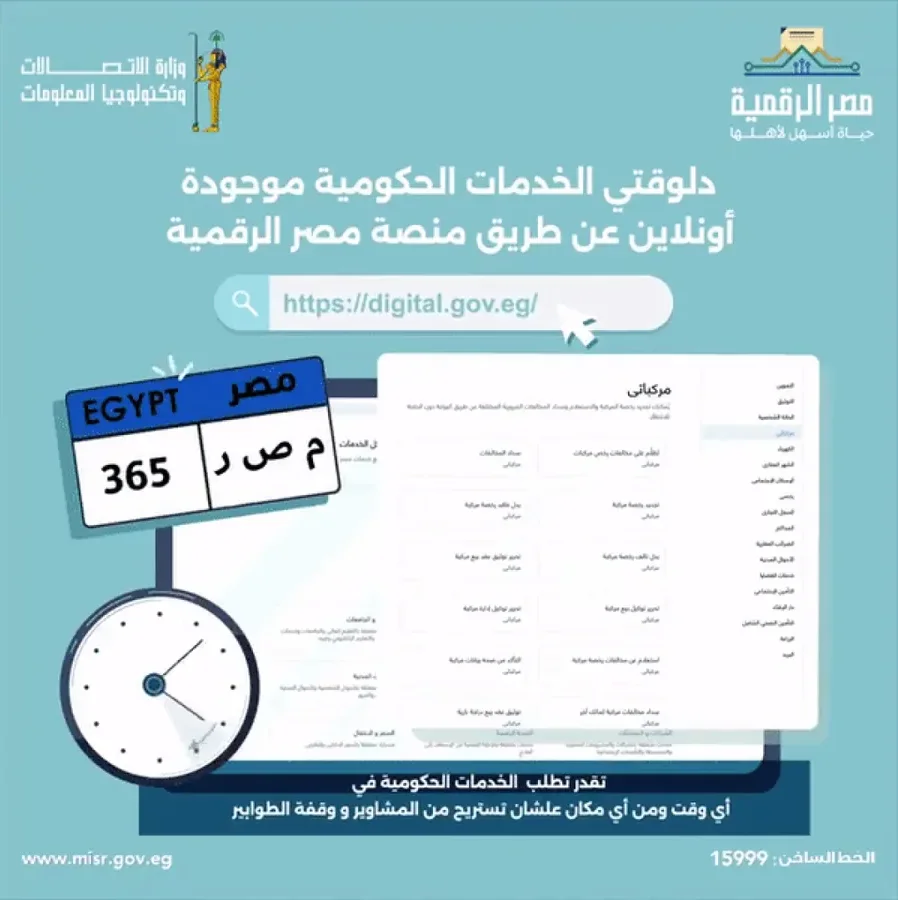
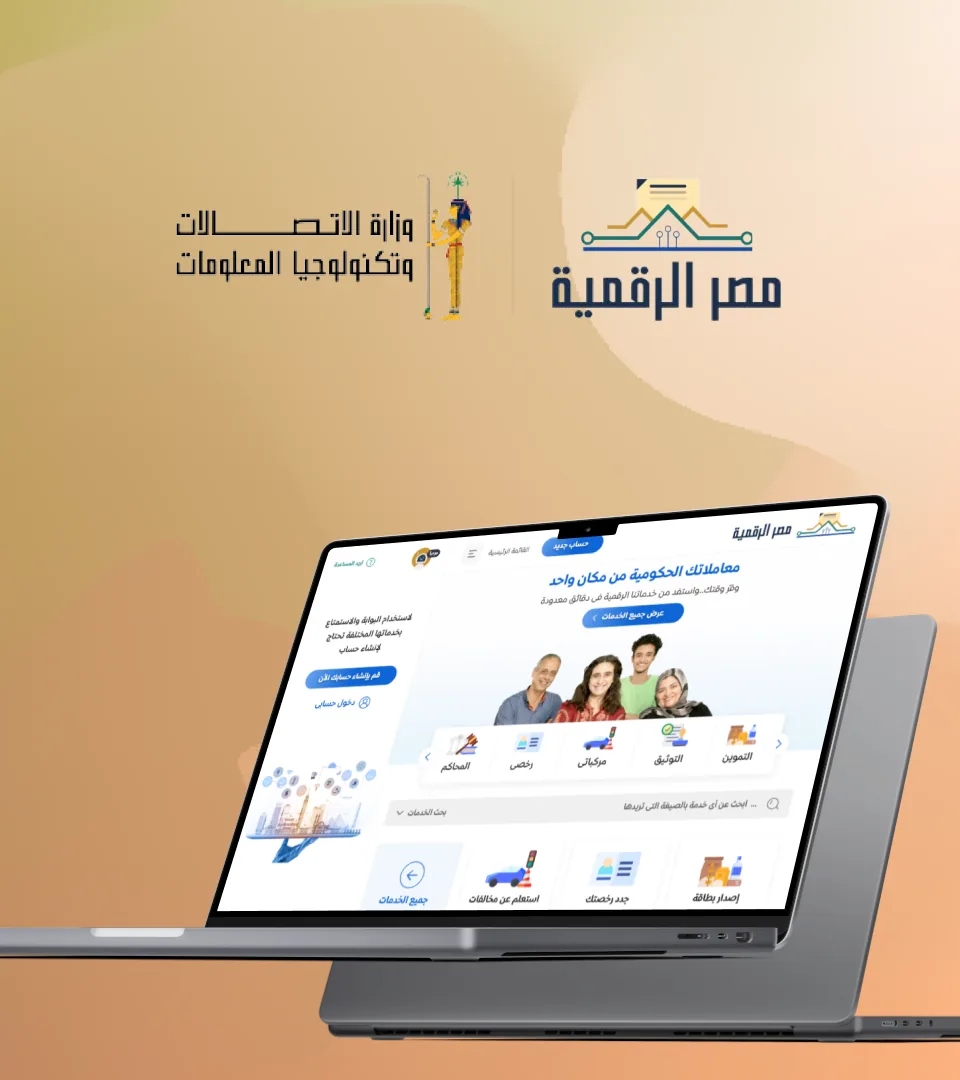
The Digital Egypt platform (منصة مصر الرقمية) gives Egyptians government services in an easy, personalized and modern way. It is part of Egypt’s Vision 2030 and the Ministry of Communications and Information Technology’s digital transformation strategy.
I joined Minds while it was the design consultancy for the platform, and served as senior UX and services designer. I worked with my team and with teams from several other companies on a product meant for more than 100 million Egyptians.
- 01 Service design in the offices Researched the physical services in Port Said Digital and mapped them as service blueprints. See the workshop
- 02 Research and proposals Ran research rounds on services and digital adoption, and proposed digitization solutions to the Minister of Communications and IT. See the findings
- 03 Design system and services Designed and built the platform’s design system, and owned specific services end to end. See the platform
Starting in the offices
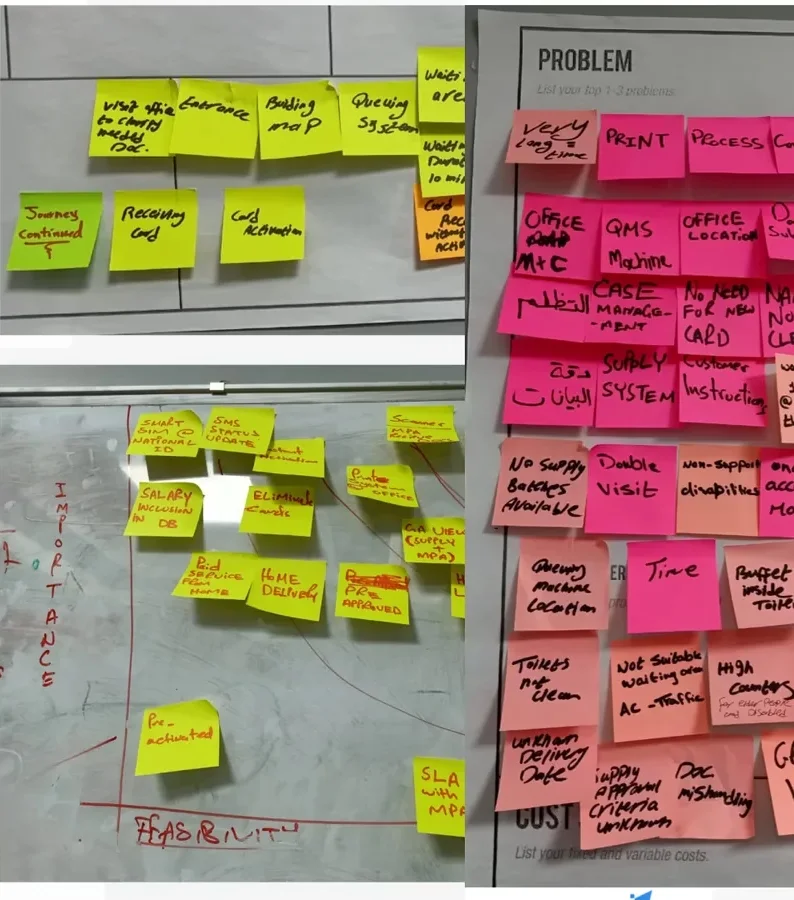
I started as a service designer, researching the physical services in Port Said Digital (بورسعيد الرقمية) and mapping them as service blueprints. One of them was the supply card: a visit that starts with asking which documents you need and ends with activating a card. The notes below are from that workshop wall.
The visit, step by step
- 1Visit the office to ask which documents are needed
- 2Entrance
- 3Building map
- 4Queuing system
- 5Waiting area
- 6Receiving the card
- 7Card activation
Problems citizens hit on the way
- Very long time
- Printing
- The process
- Queue (QMS) machine
- Office location
- Case management
- No need for a new card
- Data accuracy
- Supply system
- Customer instructions
- No supply batches available
- Double visit
- No support for disabilities
- Queuing machine location
- Time
- Toilets not clean
- Waiting area not suitable: AC, traffic
- Counters too high for elderly and disabled people
- Unknown delivery date
- Supply approval criteria unknown
- Documents mishandled
- Appeals (التظلم)
From problems to ideas
Importance against feasibility
The team placed each idea on a two-axis board. The ideas at the top fix the problems above at their source: no visit at all, or one visit instead of two. Hover or focus an idea to see where it landed.
Pick an idea on the board.
Research and proposals
Then came Digital Transformation Egypt. I ran several research rounds on the services and on digital adoption: prototype tests, heatmaps and online user interviews. I turned them into digitization proposals for several government services, presented to the Minister of Communications and IT.
Can people sign in on their own?
An unmoderated prototype test of the sign-in task, with heatmaps of every screen. Most people finished it on the path we expected; the bounces and misclicks showed which screens to fix first.
- 73%completed the task on the expected path
- 66%usability score
- 13.5%bounced and gave up
- 24.8%average misclick rate
- 2.8saverage time per screen
- 69responses on the platform prototype
An eHealth ecosystem
Research for better healthcare started from the numbers: noncommunicable diseases, including heart disease, diabetes, cancer and chronic respiratory disease, are estimated to cause 82% of all deaths in Egypt and 67% of premature deaths. The proposal grouped the services citizens would need into four families.
Interactive
- Viewing prescriptions
- Viewing the health record
- eConsultation
- Immunisation
- Virtual health check
- Certificates
- Recommendations
Citizen health record
- Collecting personal health information
- Self-help
- Personal data management
Information
- Reminders
- Screening invitations
- Booking a service
Supporting
- Rights
- Authorisations
- Expressions of will
- Access rights
- Log archive
eWallets or mobile payment?
To pay for government services online, we compared eWallets with mobile payment, and benchmarked Apple Pay, Paytm, Google Pay and GoPay. Online interviews with five users, as advised by NN Group, came first, to understand the problems people face and what would move them to a digital system.
- Completely cashless: no cards or cash to carry
- Connected to a bank account or prepaid cards
- Contactless: RFID, watch or phone
- An app to monitor spending and verify transactions
- Secure
- Eco-friendly
The platform and its design system
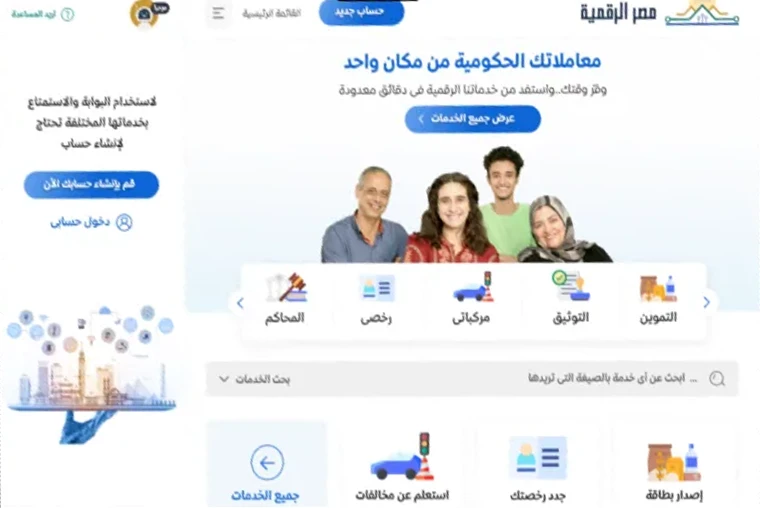
I designed and built the design system for the platform, and owned specific services, among them the help center, supply services, and commercial registry services such as registry extracts and establishment certificates. Below are the real screens: the homepage a visitor sees, and the personalized home a citizen gets after signing in.
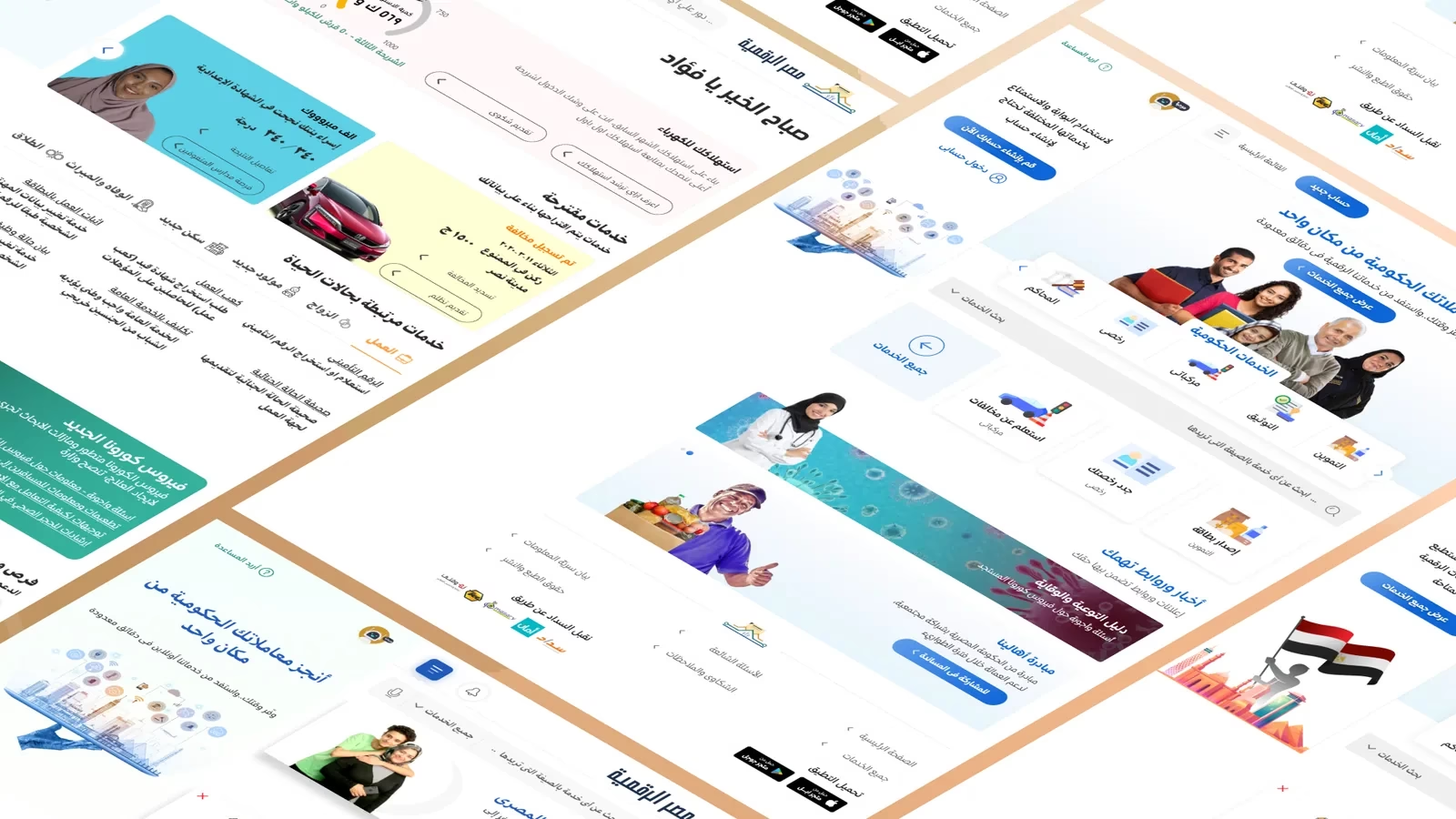
- Arabic first Right-to-left layouts and Arabic type throughout, not an English design flipped.
- One primary action One blue pill button per area: create an account, see all services, pay.
- Service cards and categories The same card shape for categories, quick services and suggestions, on every authority’s page.
- Life events Services grouped by what is happening in a citizen’s life, not by which ministry runs them.
Outcome
A government portal for more than 100 million Egyptians, built with flexibility and simplicity at its core.
- 100M+Egyptians the platform serves
- 9months on the project
- 3stages: offices, research, platform